
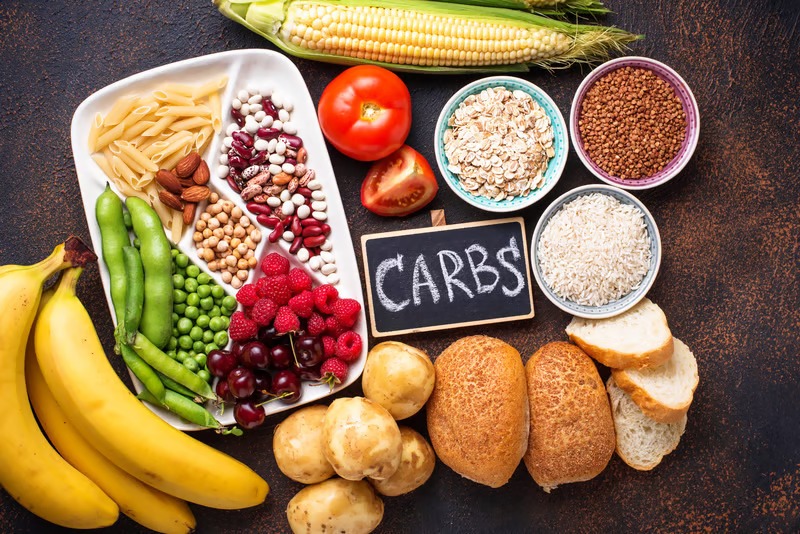
When you eat, your body processes the food and converts it into glucose, which fuels your cells. But not all carbohydrates are created equal, and they affect your postprandial glucose response differently. Understanding how various types of carbohydrates influence blood sugar levels after meals is crucial for managing your metabolic health, especially if you are trying to maintain stable energy levels or manage conditions like diabetes. In this article, we will explore the different types of carbohydrates and how they impact your postprandial glucose response, along with practical strategies to optimize your meals for better glucose control.
What is Postprandial Glucose Response?
Postprandial glucose response refers to the changes in blood sugar levels after eating. After a meal, your body breaks down carbohydrates into glucose, which then enters your bloodstream. Monitoring this response is important because how quickly and how high your blood sugar rises can have significant implications for your overall health. A rapid spike can lead to insulin resistance over time, increasing the risk of type 2 diabetes and other metabolic disorders.
Many factors influence your postprandial glucose response. Individual metabolism, the composition of the meal, and even the time of day can all play a role. By understanding these factors, you can make more informed choices about what you eat and how it affects your body.
Types of Carbohydrates
Simple Carbohydrates
Simple carbohydrates are made up of one or two sugar molecules and are quickly digested and absorbed, leading to rapid increases in blood sugar levels. Common sources include sugars found in fruits (fructose), milk (lactose), and processed sweets (sucrose). When consumed, simple carbohydrates can cause your blood sugar to spike shortly after eating. This quick rise can provide a burst of energy but may also lead to a crash later, making you feel fatigued and hungry again.
The timeframe for glucose spikes after consuming simple carbohydrates can vary based on individual metabolic rates and the specific food consumed. For instance, consuming a sugary drink may cause a quicker rise compared to eating fruit due to the presence of fiber in whole fruits, which slows absorption.
Complex Carbohydrates
On the other hand, complex carbohydrates consist of longer chains of sugar molecules and take longer to digest. They are found in foods like whole grains, legumes, and vegetables. Because they break down more slowly, complex carbohydrates typically lead to a more gradual increase in blood sugar levels. This slow digestion can help maintain more stable energy levels throughout the day.
An important aspect of complex carbohydrates is their fiber content. Fiber not only aids digestion but also plays a crucial role in regulating blood sugar levels. Foods high in fiber can help slow the absorption of glucose, leading to a more balanced postprandial glucose response.
Glycemic Index and Glycemic Load
Understanding Glycemic Index
The glycemic index (GI) is a ranking of carbohydrates based on how they affect blood sugar levels. Foods with a high GI raise blood sugar more rapidly than those with a low GI. For example, white bread has a high GI, while whole-grain bread has a lower GI. This is significant because consuming high-GI foods can lead to more pronounced spikes in postprandial glucose response, followed by a swift decline, which can leave you feeling tired and hungry soon after.
Knowing the glycemic index of foods can help you make better choices. Opting for lower GI options can lead to a more stable postprandial glucose response, which is especially beneficial for those managing blood sugar levels.
Glycemic Load Explained
Glycemic load (GL) takes the glycemic index a step further by considering the amount of carbohydrate in a serving of food. This means that even if a food has a high GI, if it contains a small amount of carbohydrates, its overall impact on blood sugar may be minimal. For instance, watermelon has a high GI, but its glycemic load is low due to its high water content and low carbohydrate density.
Understanding glycemic load is important for meal planning. Foods with a low glycemic load are generally better choices for maintaining stable blood sugar levels. Incorporating these foods into your diet can help you improve your postprandial glucose response effectively.
Factors Influencing Postprandial Glucose Response
Meal Composition
The composition of your meals can significantly influence your postprandial glucose response. Meals that combine carbohydrates with proteins and fats can slow down the absorption of glucose. For example, adding nuts or seeds to a salad can help stabilize blood sugar levels compared to eating a carbohydrate-only meal.
Including fiber in your meals is also key. Fiber-rich foods, such as vegetables, whole grains, and legumes, not only promote digestive health but also help regulate blood sugar levels. By focusing on balanced meals that include a mix of macronutrients, you can achieve a more favorable postprandial glucose response.
Portion Sizes
Portion sizes also play a crucial role in how your body responds to carbohydrates. Eating large portions of high-carbohydrate foods can lead to significant spikes in blood sugar, regardless of whether the carbs are simple or complex. Being mindful of portion sizes can help you maintain stable glucose levels after meals.
One way to control portion sizes is to practice mindful eating. Take the time to savor your food and listen to your body’s hunger cues. This practice can help you avoid overeating and reduce the risk of rapid postprandial glucose spikes.
Strategies to Optimize Postprandial Glucose Response
Choosing the Right Carbohydrates
When aiming to optimize your postprandial glucose response, it’s crucial to select the right carbohydrates. Focus on whole, unprocessed foods with low glycemic indices. Foods like brown rice, quinoa, and sweet potatoes are excellent choices. These options provide sustained energy and help keep blood sugar levels stable.
It’s also important to limit processed foods and added sugars. These foods can contribute to quick spikes in blood sugar, leading to the undesirable fluctuations that can impact your energy and mood.
Timing of Meals
Meal timing can have a significant effect on your postprandial glucose response. Eating regular meals and spacing them out throughout the day can help maintain stable blood sugar levels. Skipping meals can lead to overeating later, which may cause spikes in glucose levels.
Consider having smaller, more frequent meals rather than three large ones. This can help keep your blood sugar levels more consistent. Additionally, try to avoid eating late at night, as this can interfere with your body’s natural glucose regulation.
Physical Activity
Incorporating physical activity into your routine can greatly influence your postprandial glucose response. Exercise helps muscles use glucose for energy, which can lower blood sugar levels after meals. Even light activity, like going for a walk after eating, can make a difference.
Regular exercise not only helps with immediate blood sugar control but also contributes to long-term metabolic health. Aim for a mix of aerobic and strength training exercises to support overall health and better glucose management.
Monitoring and Managing Postprandial Glucose Response
Monitoring your postprandial glucose response is essential for understanding how your body reacts to different foods and meals. Keeping track of your blood sugar levels after eating can help you identify patterns and make adjustments to your diet and lifestyle. Continuous glucose monitors (CGMs) are available for those who want real-time data on their blood sugar levels.
If you have concerns about your glucose response or are managing a condition like diabetes, it’s a good idea to consult with a healthcare provider or a registered dietitian. They can provide personalized advice and support to help you optimize your postprandial glucose response effectively.
Conclusion
Understanding how different types of carbohydrates impact your postprandial glucose response is vital for anyone looking to maintain stable blood sugar levels. By focusing on the right types of carbs, meal composition, portion sizes, and timing, you can make choices that support your metabolic health. Remember that small changes can lead to significant improvements in how you feel and function day to day. By being mindful of what you eat and how it affects your body, you can take control of your postprandial glucose response and enhance your overall well-being.
FAQs
1. What is the postprandial glucose response?
Postprandial glucose response describes how blood sugar levels change after eating. It’s important for monitoring metabolic health and preventing conditions like diabetes.
2. How do simple carbohydrates affect glucose levels?
Simple carbohydrates can lead to quick spikes in blood sugar. This rapid increase may cause energy fluctuations and increased hunger shortly after consumption.
3. What is the glycemic index?
The glycemic index measures how quickly foods raise blood sugar levels. Foods with a high glycemic index can cause significant spikes in postprandial glucose response.
4. How can I optimize my meals for better glucose control?
Choosing complex carbohydrates, controlling portion sizes, and adding protein and fiber can help stabilize postprandial glucose response after meals.
5. Does physical activity impact postprandial glucose response?
Yes, physical activity helps lower blood sugar levels after meals by allowing muscles to use glucose for energy. Regular exercise supports better glucose management overall.