
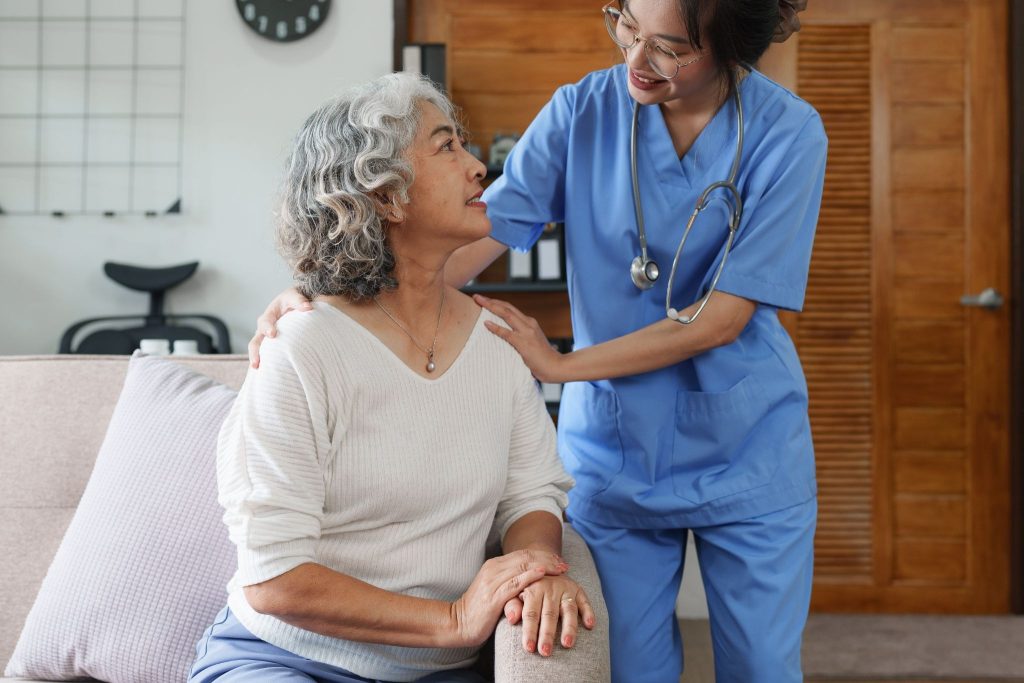
As chronic illnesses become more common among aging populations, families are increasingly faced with difficult long-term healthcare decisions. One of the most important choices involves selecting the right care environment for a loved one with ongoing medical or mobility needs. Two of the most frequently considered options are assisted living and skilled nursing care. While these services may appear similar at first glance, they are designed for very different levels of support and medical complexity.
Choosing the wrong setting can affect not only health outcomes but also emotional well-being, independence, and financial stability. Some patients need occasional help with daily activities, while others require continuous medical supervision and rehabilitation. Understanding the distinction between assisted living and skilled nursing care helps families make more informed and sustainable decisions.
The right care environment should support both medical needs and quality of life. This requires evaluating physical health, cognitive function, mobility, social engagement, and future care expectations together rather than focusing on only one factor.
Why Choosing the Right Long-Term Care Option Matters
Long-term care decisions are rarely simple because chronic illnesses often progress gradually. A patient who only needs light assistance today may eventually require advanced medical support later.
The chosen care environment affects medication management, rehabilitation access, emotional health, and social interaction. It also influences independence and daily routine. Some settings encourage greater autonomy, while others prioritize continuous clinical supervision.
Healthcare systems are also becoming more specialized. Modern facilities now offer targeted support for conditions such as dementia, stroke recovery, Parkinson’s disease, diabetes complications, and severe mobility limitations.
Understanding the purpose and structure of different care models is essential before making long-term commitments. This is especially true because transitioning between facilities later can be physically and emotionally stressful for chronic patients.
Defining Skilled Nursing Care in Modern Healthcare
Skilled nursing care refers to a high level of medical support provided by licensed healthcare professionals. These facilities are designed for patients who require continuous monitoring, rehabilitation, or advanced clinical treatment.
Unlike basic residential care, skilled nursing involves direct medical oversight from registered nurses, physicians, therapists, and specialized healthcare staff. Patients may require wound care, intravenous medications, post-surgical rehabilitation, respiratory therapy, or ongoing monitoring of serious chronic conditions.
These facilities often function as an extension of hospital-level care for individuals who are medically stable enough to leave the hospital but still require significant treatment and supervision.
Skilled nursing care is common for patients recovering from strokes, fractures, surgeries, severe infections, or advanced chronic illnesses. It is also frequently used for individuals with complex medication schedules or conditions requiring daily medical intervention.
Rehabilitation services are another major component. Physical therapy, occupational therapy, and speech therapy are often integrated into daily care plans to help patients regain or maintain function.
Understanding Assisted Living Communities
Assisted living communities are designed for individuals who still maintain a degree of independence but need support with certain daily tasks.
Daily Living Assistance and Personal Support
Residents in assisted living facilities typically receive help with bathing, dressing, medication reminders, meal preparation, and housekeeping. The focus is on maintaining independence while providing a safe and supportive environment.
Social Engagement and Independent Lifestyle Features
Many assisted living communities emphasize social interaction and lifestyle quality. Residents often have access to dining programs, recreational activities, transportation services, wellness programs, and community events.
These environments are generally less clinical and more residential in appearance compared to skilled nursing care facilities.
Limitations of Medical Services in Assisted Living
Although staff may assist with medications and basic health monitoring, assisted living communities are not equipped to manage complex medical conditions requiring constant nursing supervision.
Residents who develop advanced medical needs may eventually need transition into skilled nursing facilities or specialized care environments.
Core Differences Between Skilled Nursing Care and Assisted Living
The biggest difference between these two care models is the level of medical support provided.
Skilled nursing care includes continuous access to licensed healthcare professionals. Medical treatments, rehabilitation, and emergency response systems are integrated into daily operations.
Assisted living focuses more on lifestyle support and daily living assistance rather than intensive medical treatment.
Staffing structures also differ significantly. Skilled nursing facilities employ registered nurses, therapists, and medical specialists. Assisted living communities generally rely more heavily on caregivers and support staff.
Another important difference is patient independence. Assisted living residents often maintain more personal freedom and social flexibility, while skilled nursing patients usually require closer supervision and structured care routines.
The physical environment also reflects these priorities. Skilled nursing facilities are more clinically equipped, whereas assisted living communities are designed to feel more like private residential communities.
Which Chronic Conditions Typically Require Skilled Nursing Care?
Certain medical conditions often require the advanced services available in skilled nursing facilities.
Post-Surgical Recovery and Rehabilitation Needs
Patients recovering from orthopedic surgery, cardiac procedures, or major injuries often need rehabilitation and daily medical observation during recovery.
Advanced Neurological and Cognitive Disorders
Conditions such as advanced dementia, Parkinson’s disease, multiple sclerosis, or severe stroke complications may require specialized monitoring and professional medical support.
Severe Mobility Limitations and Complex Medication Management
Patients with severe mobility impairments, chronic wounds, respiratory conditions, or complicated medication schedules often benefit from the structured clinical oversight provided in skilled nursing care settings.
These cases demonstrate why medical complexity is one of the most important factors when evaluating long-term care options.
Financial Considerations and Cost Differences
Long-term care can become financially challenging, especially when support is needed for many years.
Skilled nursing care is generally more expensive because it includes continuous medical supervision, rehabilitation services, and specialized treatment programs.
Assisted living is often more affordable because it focuses primarily on housing, daily assistance, and community support rather than intensive medical care.
Insurance coverage varies significantly depending on location, policy structure, and medical necessity. Some rehabilitation services may be partially covered after hospitalization, while long-term residential care often requires substantial out-of-pocket expenses.
Families should also consider indirect costs such as transportation, specialized therapies, home modifications, and caregiver support.
Financial planning is essential because chronic illnesses often progress gradually, increasing care costs over time.
Emotional and Psychological Impact of Care Settings
Long-term care transitions can affect emotional well-being as much as physical health.
Many patients struggle with the loss of independence associated with moving into a care facility. Feelings of isolation, anxiety, or frustration are common during adjustment periods.
Assisted living environments often provide stronger opportunities for social engagement and community participation. This can improve mental health and reduce loneliness.
Skilled nursing facilities, while medically necessary for some patients, may feel more restrictive because of structured treatment schedules and higher medical supervision.
Families should consider emotional compatibility alongside medical requirements when selecting a care setting.
Maintaining dignity and autonomy is especially important for chronic patients adapting to long-term support systems.
Family Involvement and Caregiver Responsibilities
Families remain deeply involved in care decisions even after placement into a facility.
Communication with healthcare providers is essential for monitoring treatment progress, medication changes, and evolving care needs.
Family members often help advocate for patient preferences and emotional well-being. This becomes especially important for patients with cognitive decline or communication limitations.
Caregiver stress can also continue after facility placement. Families may experience guilt, financial strain, or emotional exhaustion while navigating long-term illness progression.
Open communication and shared decision-making help reduce conflict and improve patient-centered care.
Technology and Specialized Services in Chronic Care Facilities
Technology is changing how chronic care facilities operate.
Modern skilled nursing care facilities often use advanced rehabilitation equipment, digital monitoring systems, and electronic medical records to improve treatment coordination.
Telehealth services now allow specialists to monitor patients remotely, reducing delays in care adjustments.
Specialized therapy programs are also expanding. Facilities may offer memory care services, respiratory rehabilitation, pain management programs, and neurological therapy.
Assisted living communities increasingly use smart safety systems, medication reminders, and wellness tracking technology to support resident independence.
These innovations are helping care environments become more personalized and responsive to patient needs.
How to Evaluate the Best Care Option for a Chronic Patient
Selecting the right care environment requires careful evaluation of both current and future needs.
Families should assess medical complexity, mobility limitations, cognitive function, medication requirements, and rehabilitation needs. Social preferences and emotional well-being should also be considered.
Touring facilities in person is important. Families should observe cleanliness, staff interaction, safety measures, activity programs, and emergency response systems.
Questions about staffing ratios, therapy access, specialized programs, and long-term care planning should be discussed openly before making decisions.
Most importantly, care planning should remain flexible. Chronic conditions can evolve significantly over time, and support needs may increase unexpectedly.
The best care decisions are proactive rather than reactive.
Conclusion
Choosing between assisted living and skilled nursing care is one of the most important decisions families face when managing chronic illness and aging. While both provide valuable support, they serve different purposes and levels of medical complexity.
Assisted living focuses on independence, community engagement, and help with daily activities. Skilled nursing care provides continuous medical supervision, rehabilitation, and advanced clinical treatment for patients with serious or complex conditions.
The right choice depends on more than diagnosis alone. Families must consider emotional health, mobility, cognitive function, financial resources, and long-term progression of illness.
Healthcare needs often change over time, making flexibility and future planning essential. By understanding the differences between these care models early, families can make more confident decisions that support both medical stability and quality of life.
FAQs
What is skilled nursing care?
Skilled nursing care provides advanced medical supervision, rehabilitation, and clinical treatment for patients with serious health conditions requiring licensed healthcare professionals and continuous monitoring.
Is assisted living the same as a nursing home?
No. Assisted living focuses on daily support and independence, while nursing homes and skilled nursing facilities provide more intensive medical and rehabilitative care.
Who usually needs skilled nursing care?
Patients recovering from surgery, severe illness, stroke, advanced dementia, or mobility limitations often require skilled nursing care due to ongoing medical needs.
Can someone move from assisted living to skilled nursing care later?
Yes. Many chronic patients transition to skilled nursing care when medical conditions worsen or daily support needs become more medically complex.
Which option is more expensive?
Skilled nursing care is typically more expensive because it includes continuous medical treatment, licensed nursing staff, rehabilitation services, and advanced healthcare support.